
Saravanan Krishnamoorthy
VerifiedSPMSenior KSSM and SPM Tamil language tutor
Tamil

Senior KSSM and SPM Tamil language tutor

KSSR, KSSM and SPM Tamil language tutor
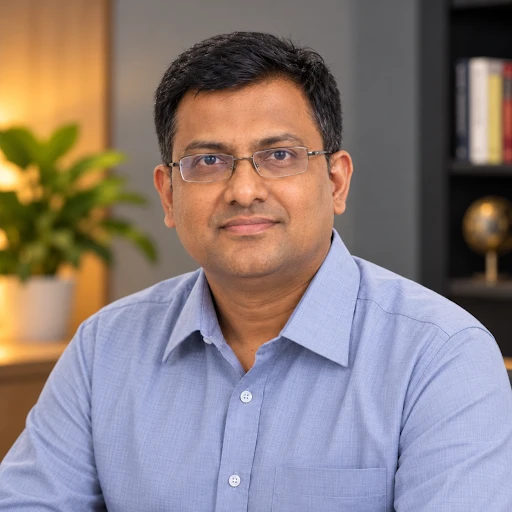
Secondary and SPM Tamil tutor in Ipoh

Primary and SPM Tamil language tutor

KSSM and SPM Tamil language tutor


Look at where the difficulty appears. A student who speaks Tamil at home but struggles to read, write or answer school questions may need more structured support. Another learner may read slowly or have limited vocabulary. Our tutors consider the learner’s current level, schoolwork, and goals before planning lessons. A short diagnostic activity can show whether the main gap is reading fluency, writing, grammar, comprehension, speaking confidence or exam technique.
Our Tamil tutors can support primary learners, Form 1 to Form 3 students, SPM Bahasa Tamil candidates, Cambridge A Level Tamil students, beginners and heritage learners, depending on tutor availability. Some students need academic support, while others want stronger reading, writing, or conversational skills. We first identify the learner’s age, level, syllabus and goal so the tutor match reflects what the student actually needs before regular one-to-one Tamil lessons begin in Malaysia.
Yes, primary learners can receive support in letter recognition, reading fluency, spelling, vocabulary, grammar, sentence building, comprehension, and guided writing at their school level. Some children speak Tamil confidently at home but need more support with formal reading and writing, while others are learning the language with much less exposure outside the classroom. Our tutors can work alongside school topics and revisit earlier foundations when needed. Lessons may include reading aloud, short comprehension passages, vocabulary practice and simple writing activities. The aim is to help the student become more independent with schoolwork while building a secure language foundation that makes later secondary Tamil easier to manage.
Yes, lower-secondary students can receive help with reading, grammar, vocabulary, comprehension, writing and school assessments. At this stage, students are usually expected to handle longer texts and produce more organised written responses than they did in primary school. A learner who has weak foundations can quickly fall behind if every new topic assumes secure reading and writing skills. Our tutors can identify those earlier gaps while still supporting current schoolwork. Students can bring textbook topics, worksheets or teacher feedback to lessons so practice stays relevant. Tuition can also start building stronger planning and language-control habits before the student reaches SPM, rather than waiting until the examination year to address several years of difficulty.
Yes, SPM Bahasa Tamil 6354 assesses writing, reading, listening, and speaking, as well as knowledge of the language system. The current format, introduced in 2021, includes Paper 1 (writing), Paper 2 (reading), and Paper 3 (listening and speaking). Our tutors can support guided and extended writing, comprehension, vocabulary, grammar, proverbs or literary language where relevant, as well as spoken communication and exam technique. Some students may need balanced preparation across the papers, while others may lose most of their marks in one area. Lessons can therefore target the weakest skill first, then return to full exam-style practice once accuracy and confidence improve.
Writing becomes easier when students learn how to generate relevant ideas, organise them clearly and express them accurately in Tamil. Our tutors can work on planning, paragraph development, sentence variety, vocabulary and grammar before asking the student to complete longer essays. If a learner has good ideas but weak language control, lessons can focus on improving sentence construction. If ideas are too short, the tutor can teach how to develop a point with explanation or example. Students can also revise their own writing in response to feedback, rather than simply receiving a corrected model. This helps them recognise recurring weaknesses and become more independent when they face a new essay topic in school or an examination.
Home conversation and formal academic Tamil are not identical. A child may communicate naturally with family but have limited experience reading longer passages, using formal vocabulary or writing in a structured way. Spoken language may also include informal expressions that are not suitable for school writing. Our tutors help students bridge that gap without treating their home language as a problem. Lessons can connect familiar spoken ideas to formal vocabulary, grammar and written sentence patterns. Reading also plays an important role because it exposes students to structures and words they may not hear in everyday conversation. Over time, the student can keep their natural speaking confidence while developing the formal Tamil needed for school and exams.
Reading fluency develops through accurate recognition, regular practice and understanding. A student who stops at many words may need more work with letter combinations and common word patterns, while a learner who reads smoothly but cannot explain the passage needs stronger comprehension. Our tutors can ask students to read aloud, correct recurring pronunciation or decoding issues, and then check comprehension with short questions. Tutors can explain difficult vocabulary in context rather than memorising it in isolation. As fluency improves, students can move from short passages to longer school texts. The goal is not simply faster reading. Students should be able to read accurately enough to answer questions, discuss meaning, and use new vocabulary in their own language.
Vocabulary is easier to remember when it appears in a meaningful context. Our tutors can introduce new words through reading passages, school topics, pictures, conversation or writing tasks, then bring the same vocabulary back in later lessons. Students may also learn related words, opposites, synonyms or common expressions so each new word connects to something already known. For school learners, link vocabulary to themes that appear in current lessons or exams. Heritage and adult learners may focus more on family, work, travel or everyday communication. Regular use matters more than one large memorisation session. When students repeatedly read, hear, say and write a word, it is more likely to become part of their active vocabulary.
Yes, our Tamil tutors offer lessons for both. Complete beginners can start with basic sounds, the Tamil script, everyday vocabulary and simple sentence patterns. The pace can be adjusted depending on whether the learner wants conversation only or also wants to read and write. Some adults learn Tamil to communicate with relatives, colleagues, or friends, while younger learners may start because of their family background or personal interest. Our tutors can use English or another shared language for explanation where appropriate, then gradually increase the amount of Tamil used in the lesson. Beginners do not need to master the whole script before learning useful expressions, but learning to read can make long-term progress much stronger.
Yes, heritage learners often have a very uneven profile: they may understand family conversations well and speak comfortably but have had little formal experience with the script, spelling or written grammar. Starting them as complete beginners can feel frustrating because their listening and speaking are already stronger than their reading. Our tutors can build from that existing knowledge. Familiar spoken words can be connected to their written forms, and reading practice can begin with language the learner already understands. Writing can then progress from words and short sentences to longer responses. This approach respects what the student already knows while developing the literacy skills they are missing, rather than treating spoken and written fluency as if they always develop together.
